
In today’s technology-driven world, businesses rely on web applications to connect with customers, manage operations, and deliver digital services. From online shopping websites to educational platforms and business management systems, web applications have become an essential part of everyday life. As the demand for these applications continues to grow, companies are looking for professionals who can develop complete web solutions. This is where Full Stack Python comes into the picture.
Full Stack Python is a comprehensive approach to web development that enables developers to create both the frontend and backend of a web application using Python along with modern web technologies. Instead of focusing on a single part of development, full stack developers understand how every layer of an application works together. This makes them valuable assets for startups, software companies, and enterprises that require flexible and skilled developers.
What is Full Stack Python?
Full Stack Python refers to the process of building complete web applications using Python for backend development while combining it with frontend technologies such as HTML, CSS, JavaScript, and modern frameworks. A full stack Python developer handles everything from designing user interfaces to managing databases, developing APIs, and deploying applications.
Python is one of the most popular programming languages because of its simple syntax, readability, and extensive library support. Frameworks like Django and Flask make web development faster by providing built-in features that reduce development time while maintaining application security and performance.
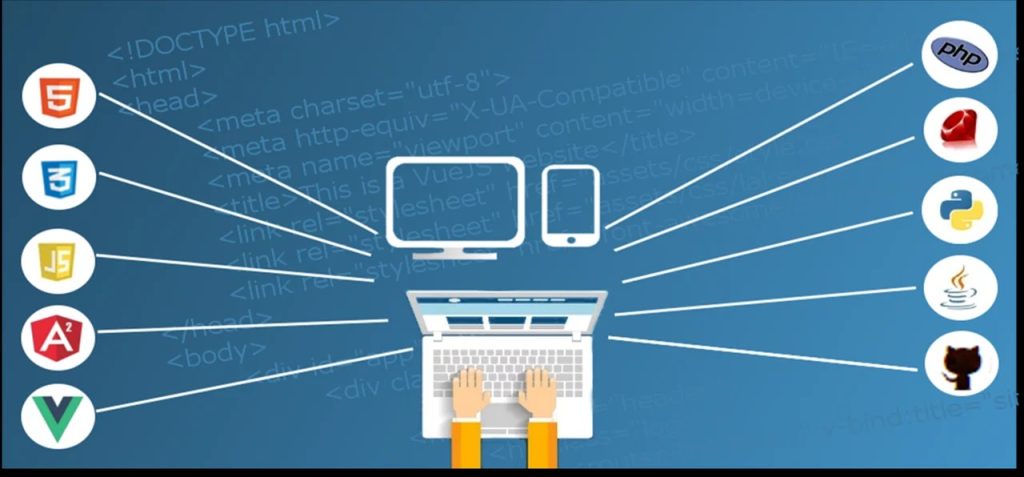
Core Technologies Used in Full Stack Python
Learning Full Stack Python involves understanding several technologies that work together to build modern applications.
Frontend Technologies
The frontend is responsible for everything users interact with directly. Developers use HTML to structure web pages, CSS to create attractive designs, and JavaScript to add interactivity. Popular frontend frameworks like Bootstrap or React can also be used to create responsive and engaging user experiences.
Backend Development
Python powers the server-side logic of an application. Backend development includes processing user requests, validating information, implementing business logic, and communicating with databases. Frameworks such as Django and Flask simplify these tasks and help developers build secure, scalable applications.
Database Management
Applications need databases to store user information, product details, transactions, and other important data. Full Stack Python developers commonly work with MySQL, PostgreSQL, or SQLite to organize and manage application data efficiently.
Version Control
Git is widely used for tracking code changes and collaborating with other developers. It helps teams manage projects efficiently while maintaining a complete history of code updates.
Deployment
After development is complete, applications must be deployed to servers or cloud platforms so users can access them online. Understanding deployment helps developers take projects from development to production successfully.
Benefits of Learning Full Stack Python
One of the biggest advantages of learning Full Stack Python is versatility. Developers gain knowledge of both frontend and backend technologies, allowing them to contribute to every stage of application development.
Python’s clean and beginner-friendly syntax makes it easier to learn compared to many other programming languages. This allows students and professionals to focus on solving real-world problems rather than struggling with complex programming concepts.
Another major benefit is faster development. Python frameworks include many built-in tools for authentication, database management, routing, and security, reducing the amount of code developers need to write.
Full Stack Python also offers excellent career flexibility. Developers can work as web developers, software engineers, backend developers, freelance professionals, or even launch their own software products.
Career Opportunities in Full Stack Python
The growing adoption of digital technologies has significantly increased the demand for Full Stack Python professionals. Organizations across industries require developers who can build reliable, scalable, and secure web applications.
Common career roles include:
- Full Stack Python Developer
- Python Web Developer
- Backend Developer
- Software Engineer
- API Developer
- Web Application Developer
- Freelance Python Developer
With experience and continuous learning, developers can progress into senior development, software architecture, or technical leadership positions.
Skills You Will Develop
A Full Stack Python learning journey helps individuals build both technical and problem-solving abilities. Students learn programming fundamentals, database design, frontend development, backend architecture, API integration, debugging, testing, and application deployment.
Working on real-world projects also strengthens logical thinking, analytical skills, and teamwork. These practical experiences prepare learners to handle real software development challenges confidently.
Why Choose Full Stack Python?
Python continues to be one of the most preferred programming languages because of its simplicity and versatility. It is used not only in web development but also in artificial intelligence, machine learning, automation, cybersecurity, and data science.
By learning Full Stack Python, developers build a strong programming foundation that can open doors to multiple technology domains. Since Python has a large global community, learners also benefit from extensive documentation, tutorials, and open-source resources that make continuous learning easier.
Companies appreciate professionals who understand the complete software development lifecycle because they can collaborate effectively with different teams and contribute to end-to-end project development.
Conclusion
Full Stack Python is an excellent choice for anyone looking to build a successful career in web development. It combines the power of Python with modern frontend technologies to create complete, scalable, and user-friendly web applications. As businesses continue investing in digital transformation, the demand for skilled Full Stack Python developers is expected to remain strong.
Whether you are a student beginning your programming journey or a working professional planning a career upgrade, learning Full Stack Python provides valuable technical skills and practical experience. With consistent practice, hands-on projects, and continuous learning, you can become a confident developer capable of building modern applications that meet today’s industry requirements.